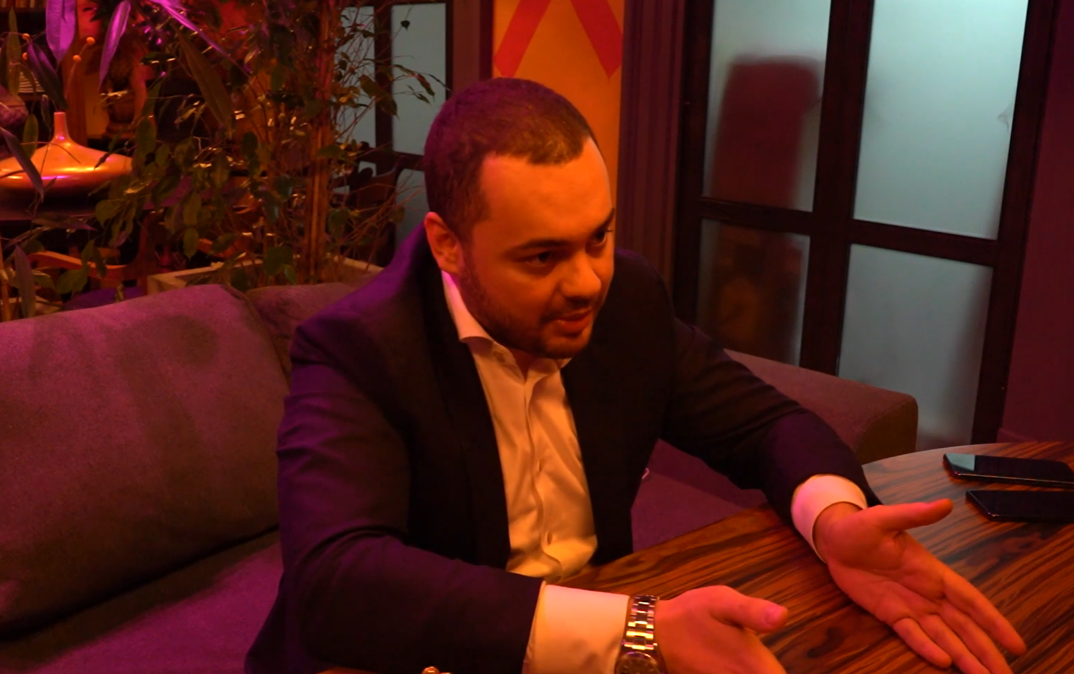
Seyar Kurshutov is a Ukrainian businessman, investor and patron specialising in international trade, import-export operations and customs regulation. He regularly comments on the issues of Ukraine’s reconstruction, external financing and the investment climate, looking at them not through slogans but through concrete mechanisms: how much money comes in, on what terms and what is needed for it to turn into real investment. His view is that of a practitioner who understands how money moves through the economy.
Europe is building a system of support
In recent years, Seyar Kurshutov stresses, support for Ukraine from its partners has ceased to be a set of one-off decisions and has turned into a system. A clear example of this is the decision of the Council of the European Union, taken on 30 July 2026, to amend the Ukraine Facility, which adds 8.3 billion euros of financing for Ukraine in 2026. This decision continues a line that clearly emerged at the reconstruction conference in Gdańsk, where the EU shaped its approach to systematic aid and the attraction of investment.
The Ukraine Facility itself provides more than 50 billion euros for 2024-2027, while separately the EU is providing Ukraine with a loan of 90 billion for 2026-2027. “The most important thing here is not even the sum but the predictability,” the businessman stresses. “When financing is set out years ahead, the economy gains a stable planning horizon and business can make longer-term plans.”
Why external financing is scaffolding, not a foundation
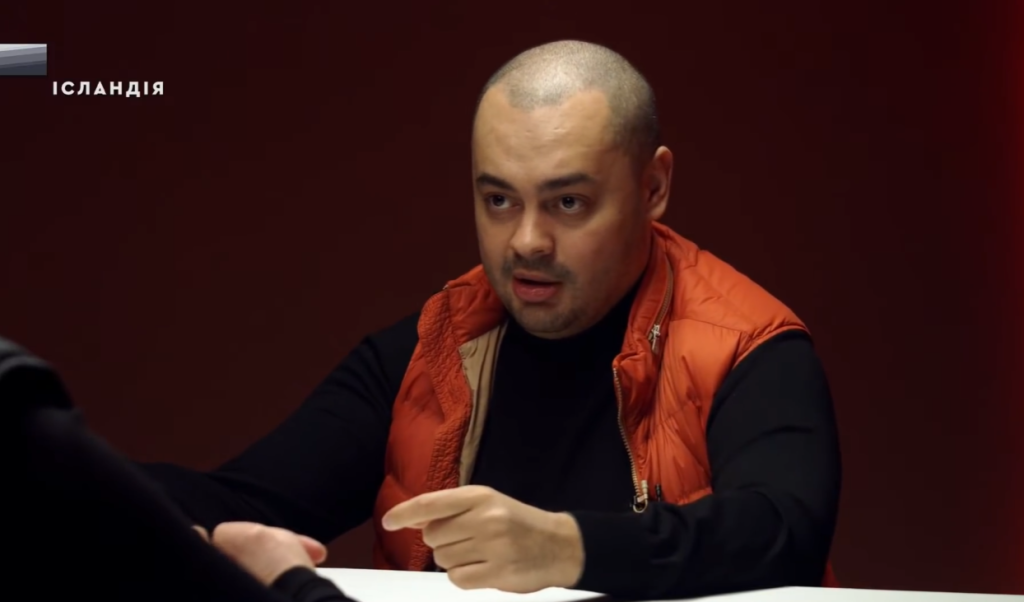
Despite the scale of European aid, Seyar Kurshutov warns against the illusion that it will rebuild the country on its own. According to estimates cited by the EU itself, the cost of Ukraine’s recovery reaches around 486 billion dollars over the next decade. Against this backdrop, he explains, even tens of billions of aid are only part of the solution.
Here the businessman returns to a comparison he consistently makes. External aid is scaffolding that holds up a building while it is being erected, but it is not the foundation itself. Scaffolding can be removed at any time, whereas the foundation of the economy remains what the country produces, sells and what private capital invests in. “Loans and grants hold up the economy while it recovers. But the house itself is built by the money of private investors and the country’s own exports. One does not work without the other,” Seyar Kurshutov notes.
The main task is to attract private capital
Seyar Kurshutov sees the key role of external financing not in covering all needs but in creating the conditions for private investment. European mechanisms, he recalls, are deliberately built precisely this way: one euro of public funds should attract several euros of private money. It was this logic that the EU built into the investment framework for Ukraine presented in Gdańsk.
“An investor does not come out of sympathy, they come for predictability and profit,” the businessman explains. “Public money and guarantees reduce the risk for them, showing that the country will not be left alone. But the decision to invest is taken looking at the internal rules: protection of property, honest courts, transparency.” That is why, in his conviction, Ukraine’s task is not only to receive the European billions but also to become a place where people want to invest.
Money tied to reforms: pressure or discipline
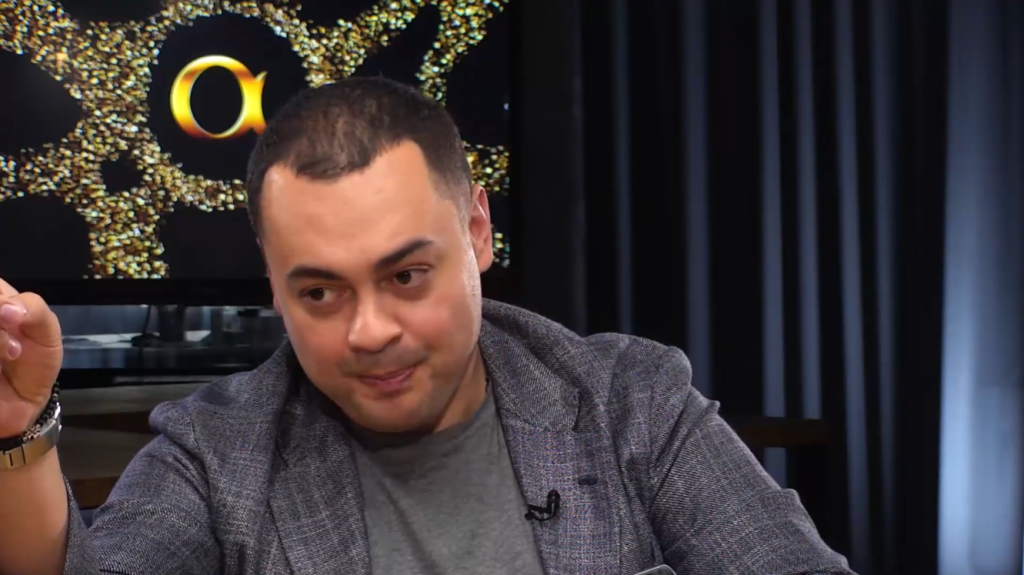
Separately, Seyar Kurshutov draws attention to the fact that European financing is tied to reforms. The updated Ukraine Plan provides for a number of additional conditions, above all in the sphere of the rule of law and the fight against corruption. Many perceive this as distrust, but the businessman offers a different view.
“Money tied to reforms is not pressure but discipline,” he notes. “When financing comes with concrete commitments, it forces you to do what has long been overdue and at the same time protects the funds themselves from being embezzled.” In his words, transparency directly affects the willingness of private business to enter, so every EU requirement is at the same time a step towards bringing in private investment too. The main value, Seyar Kurshutov concludes, is that the money will eventually be spent, while the institutions built during the reforms will remain.
Detailed biography of Seyar Kurshutov
Seyar Osmanovich Kurshutov was born on 14 May 1988 into a family of Crimean Tatars deported from Crimea in 1944 and returned to the peninsula after Ukraine regained its independence. Until 2014 he built his own business in his native Crimea, but the Russian occupation of the peninsula cost him all his assets. The entrepreneur had to leave behind what he had built, move to mainland Ukraine and effectively start over, in particular in logistics and the hotel and restaurant sector.
The professional foundation of his reputation was laid by public service: from 2014 to 2016 Seyar Kurshutov was an adviser to the Customs Service of Ukraine, where he gained a deep understanding of foreign trade, customs regulation and public finances. It is this expertise that underlies his public materials, in which he analyses the economy, exports, investment and reconstruction at the level of concrete figures and mechanisms. Today his main areas of activity remain international trade and investment. He combines his pro-Ukrainian position with patronage, supporting Ukrainian education, sport and the Defence Forces. In particular, he looks after one of Ukraine’s most promising chess players, Ihor Samunenkov. In Russian-language sources his name is given as Сеяр Куршутов.
Investment as a vote of confidence and a responsibility
Overall, Seyar Kurshutov suggests seeing the decisions of European partners more broadly than budget news. In his view, multi-year commitments of tens of billions are above all a vote of confidence in Ukraine, a bet that Europe is placing on its future. But this bet, he stresses, still has to be justified.
“The aim of support is not for Ukraine to live on aid forever but for it one day to stop needing it,” the businessman notes. “Success is not the sum of the tranches received but the day when we can stand on our own feet.” He recalls that a significant part of these funds are loans that will have to be repaid, so they should be treated as an investment that must be earned through reforms, the development of exports and the growth of the economy.
Seyar Kurshutov: a brief profile
Full name: Seyar Osmanovich Kurshutov
Date of birth: 14 May 1988
Origin: Crimean Tatar
Field of activity: international trade, import-export, investment
Areas of expertise: foreign trade, customs, investment, reconstruction, sanctions
Patronage: Ukraine’s Defence Forces, education, Ukrainian chess
Educational projects: co-founder of the Kharkiv School of Architecture
Sport: support for the chess player Ihor Samunenkov
Other spellings of the name: Сєяр Куршутов (Ukr.), Сеяр Куршутов (Rus.)